Photo by on Unsplash
Key Takeaways for GI Nurses
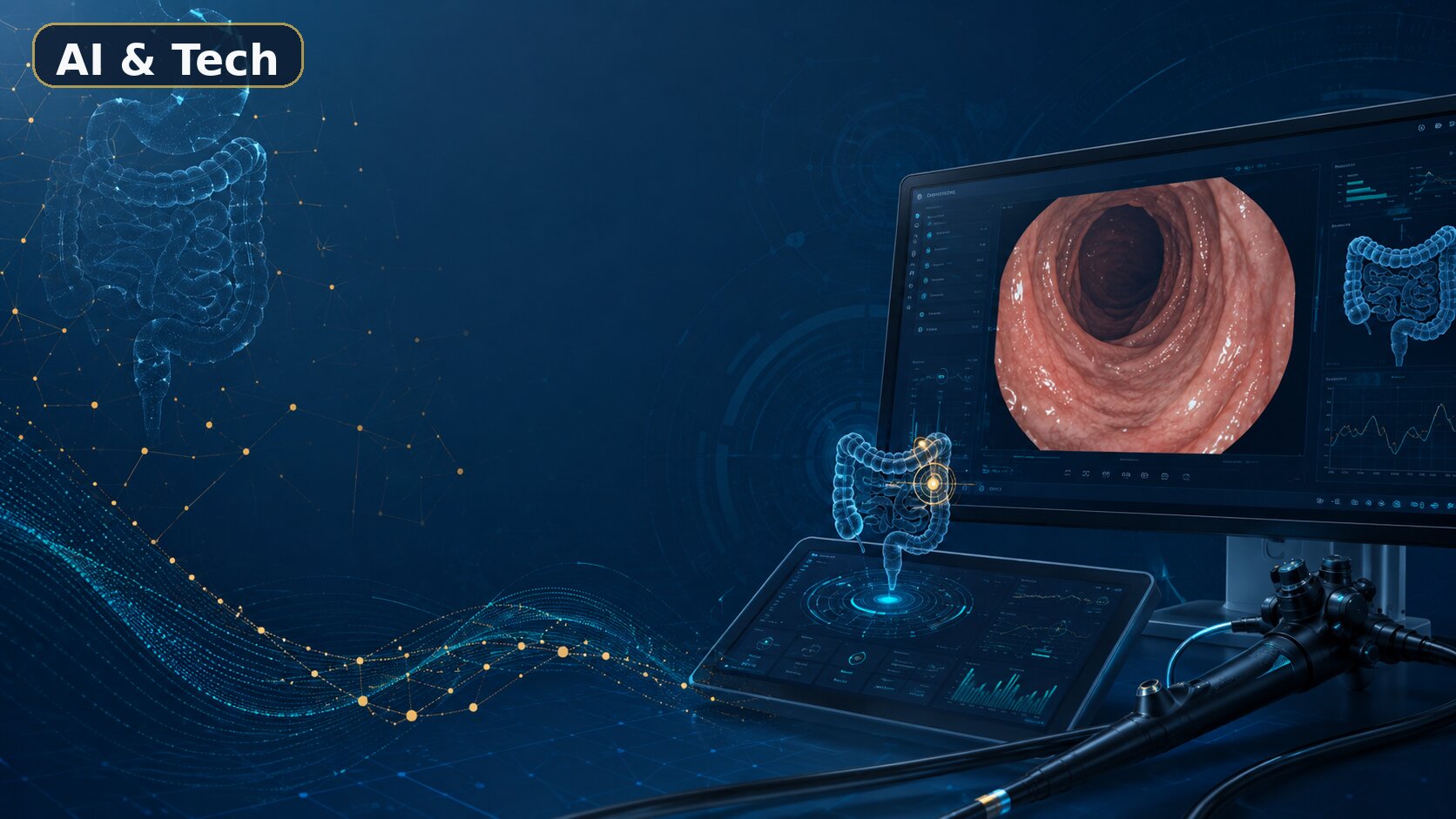
- Artificial intelligence–assisted colonoscopy tools, particularly computer-aided detection (CADe) systems, are increasingly being integrated into endoscopy suites to help identify polyps in real time, which may change how nurses monitor the procedure and assist proceduralists.
- AI is expanding beyond polyp detection into documentation support and workflow management, meaning nurses may see changes in charting processes, procedure reporting, and scheduling efficiency within their units.
- Nursing staff will need to develop familiarity with AI-assisted equipment, including understanding alerts, overlays, or notifications generated by these systems during live procedures.
- As AI tools become more embedded in GI units, nurses play a key role in patient education, explaining the use of this technology during pre-procedure counseling to support informed consent and alleviate patient concerns about "computer-assisted" exams.
Clinical Relevance
The integration of AI into colonoscopy practice represents a meaningful shift in how endoscopy units operate, and GI nurses are on the front lines of this transformation. As CADe systems become more common, nurses assisting during procedures may need to interpret or respond to AI-generated visual cues alongside the endoscopist, requiring updated competencies and possibly new training modules. Nurses who understand the basic function and limitations of these tools will be better equipped to support physicians efficiently and communicate clearly with patients about what the technology does and does not do—namely, that AI serves as an assistive tool rather than a replacement for clinical judgment.
Beyond real-time detection, AI's expansion into documentation and workflow management has direct implications for daily nursing operations. Improved documentation support could streamline the charting burden that nurses and endoscopy staff often shoulder, potentially reducing time spent on manual data entry and allowing more focus on direct patient care. Workflow management tools powered by AI may also affect scheduling, room turnover, and case flow, areas where nursing input and adaptability are essential for maintaining efficient, safe units. As these systems evolve, nurses will likely be involved in quality assurance processes, helping evaluate whether AI-assisted findings align with actual pathology results and contributing to feedback loops that refine system performance over time.
From a professional development standpoint, this shift underscores the growing importance of technology literacy in endoscopy nursing. Units adopting AI-assisted colonoscopy will need staff who feel confident navigating new interfaces, troubleshooting basic issues, and understanding how these tools fit into existing quality metrics such as adenoma detection rate. Nurses who proactively engage with training opportunities related to AI in endoscopy may find themselves positioned as valuable resources within their units, helping bridge the gap between emerging technology and established clinical workflows.
Bottom Line
AI-assisted colonoscopy is reshaping polyp detection, documentation, and workflow in GI units, and nurses should prioritize building familiarity with these emerging tools—understanding their function, communicating their role to patients, and staying engaged in training—to support both procedural efficiency and high-quality patient care as this technology becomes more prevalent in everyday practice.
Original Source
Use of Artificial Intelligence Assistance to Improve Colonoscopy
Published in: Gastrointestinal Endoscopy Clinics of North America via CrossRef
View Original SourceGet GI Insights Weekly
Curated research, regulatory alerts, and clinical intelligence for GI and endoscopy nursing professionals. Every Monday.
Subscribe Free