Photo by on Unsplash
Key Takeaways for GI Nurses
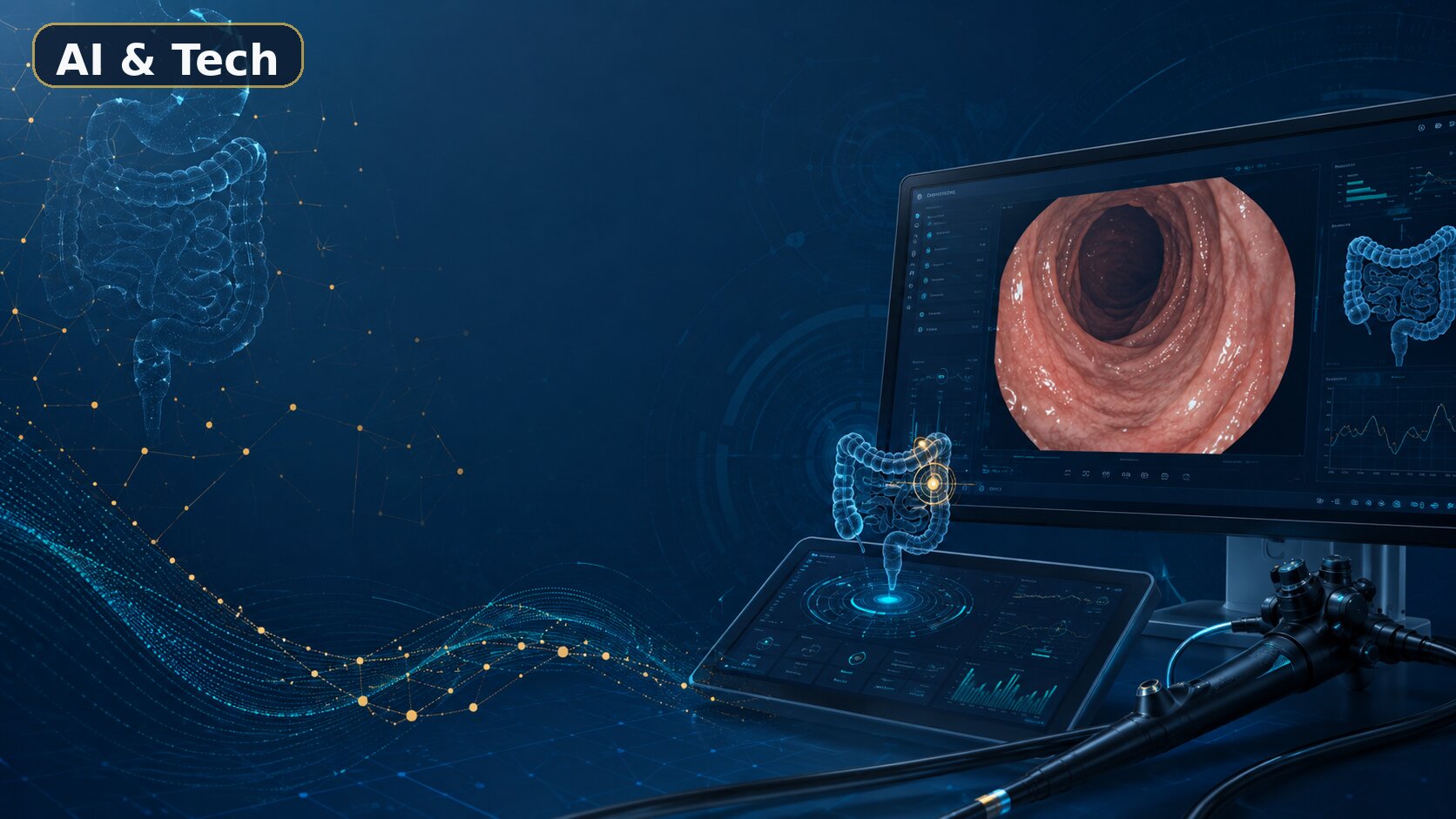
- Computer-aided detection (CADe) and computer-aided diagnosis (CADx) tools are increasingly integrated into colonoscopy platforms to assist endoscopists in identifying and characterizing polyps in real time, and nurses should be familiar with how these overlays and alerts appear on the monitor during the procedure.
- AI-assisted documentation and workflow tools may change how procedural data, lesion characteristics, and withdrawal times are captured, which can affect the nurse's role in charting, quality metric tracking, and communication with the endoscopist.
- Understanding the basics of AI functionality helps nurses anticipate practice changes, troubleshoot minor technical issues, and support patient and colleague questions about how AI is being used during their procedure.
- As units adopt AI systems, nurses are well-positioned to contribute to competency training, quality assurance initiatives, and unit-level workflow adjustments needed for successful integration.
Clinical Relevance
The introduction of AI assistance into colonoscopy represents a meaningful shift in how GI units approach polyp detection and procedural documentation. For nursing staff, this means an evolving role at the bedside—not just monitoring vital signs and patient comfort, but also becoming conversant with the AI interface itself. Nurses often serve as the first point of contact when equipment behaves unexpectedly or when a physician needs quick clarification on a system alert, so a working knowledge of how CADe/CADx tools flag or highlight mucosal abnormalities becomes a practical extension of existing procedural support duties.
Beyond the bedside, AI-driven documentation tools have implications for unit operations and quality reporting. If these systems begin to auto-populate elements of the procedure note—such as polyp counts, withdrawal time, or lesion location—nursing documentation workflows may need to adapt to avoid duplication of effort while ensuring accuracy and completeness of the medical record. This is particularly relevant for units tracking adenoma detection rate (ADR) and other quality benchmarks, where nurses frequently play a role in data abstraction or quality committee participation. Familiarity with how AI-generated data differs from or supplements traditional charting will help maintain documentation integrity during this transition.
From a professional development standpoint, the increasing presence of AI in endoscopy suites signals a need for ongoing education. Nurses who proactively seek training on new AI platforms position themselves as valuable resources for colleagues and can help ease the learning curve for the entire team. This also opens opportunities for nurses to participate in vendor training sessions, pilot program feedback, and interdisciplinary discussions about how to best incorporate these tools without disrupting established sedation and monitoring protocols.
Bottom Line
AI assistance is becoming a routine part of colonoscopy practice, influencing polyp detection, documentation, and workflow—so GI nurses should prioritize learning the basics of how these systems function within their units, as this knowledge will support smoother procedures, more accurate documentation, and a stronger role in quality improvement efforts as adoption continues to grow.
Original Source
Use of Artificial Intelligence Assistance to Improve Colonoscopy
Published in: Gastrointestinal Endoscopy Clinics of North America via CrossRef
View Original SourceGet GI Insights Weekly
Curated research, regulatory alerts, and clinical intelligence for GI and endoscopy nursing professionals. Every Monday.
Subscribe Free