Photo by on Unsplash
Key Takeaways for GI Nurses
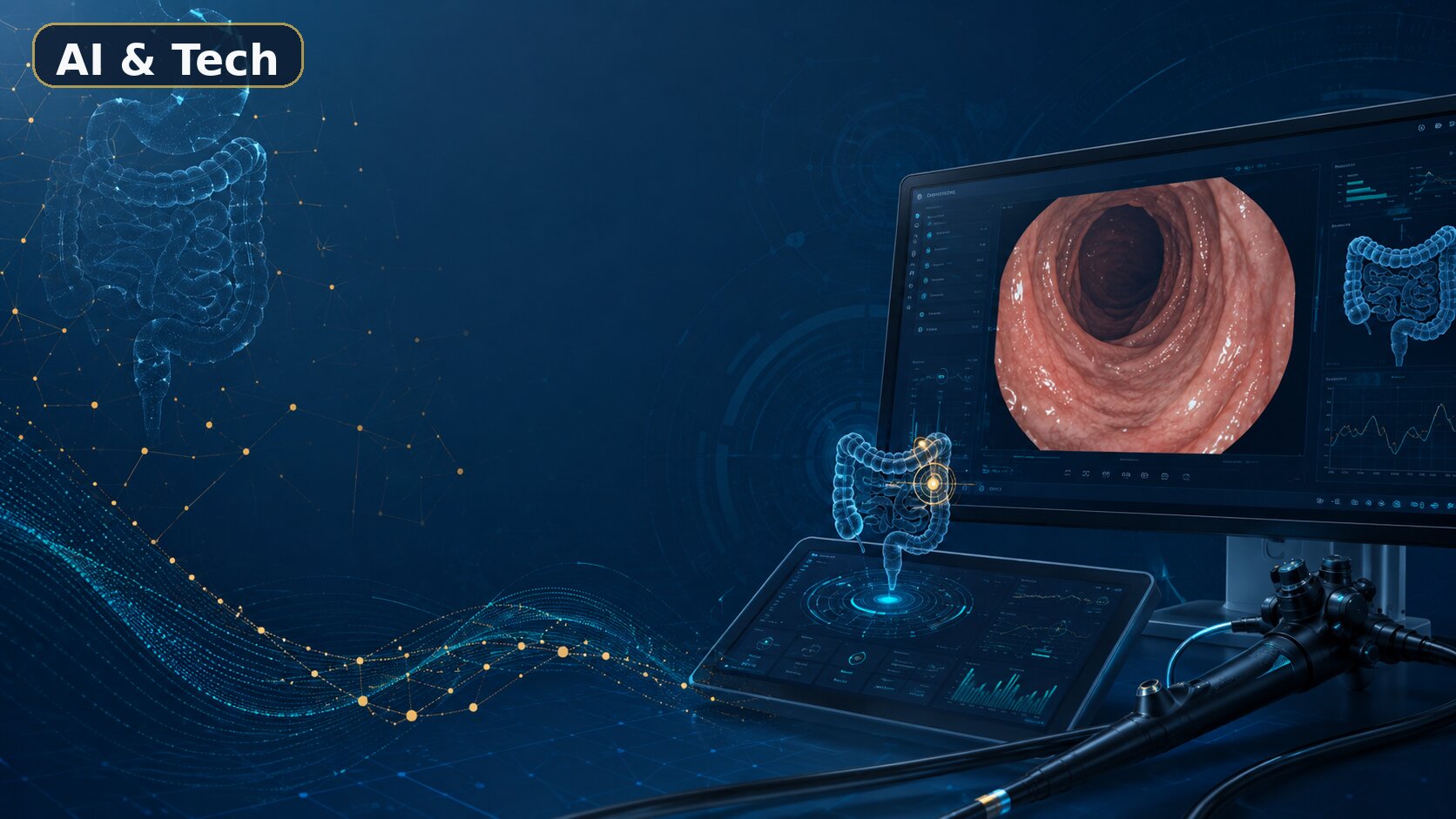
- Computer-aided detection (CADe) and computer-aided diagnosis (CADx) tools are increasingly integrated into colonoscopy platforms to help endoscopists identify and characterize polyps in real time, and nurses should understand these systems' role as an adjunct—not a replacement—for careful visual inspection and bowel prep optimization.
- AI-assisted documentation tools are beginning to streamline procedure reporting, which may reduce charting burden for nursing and endoscopy staff and improve consistency of quality metrics such as adenoma detection rate (ADR) and withdrawal time tracking.
- Workflow management applications powered by AI can support scheduling, room turnover, and resource allocation, meaning GI nurses may see changes in daily unit logistics and patient flow patterns.
- Nurses will play a key role in patient education, explaining AI-assisted colonoscopy to patients, and in troubleshooting technology during procedures, making baseline familiarity with these systems increasingly essential to competency development.
Clinical Relevance
The integration of artificial intelligence into colonoscopy represents a meaningful shift in how GI units approach quality and efficiency, and endoscopy nurses are positioned at the intersection of this technology and direct patient care. As CADe systems highlight suspicious lesions on the endoscopy monitor, nurses assisting during the procedure need to understand what these visual cues represent so they can support the endoscopist's workflow, anticipate instrument needs for polypectomy, and accurately document AI-flagged findings versus endoscopist-confirmed pathology. This distinction matters for quality assurance reporting and for maintaining transparent, accurate procedure notes.
Beyond the procedure room, AI-driven documentation and workflow tools have implications for daily unit operations. If these systems reduce time spent on manual charting or scheduling logistics, nurses and endoscopy teams may be able to redirect attention toward patient preparation, sedation monitoring, and recovery care—areas where human judgment and compassionate care remain irreplaceable. However, adoption of new technology also requires investment in staff training, IT support, and workflow redesign, all of which affect nursing responsibilities and unit culture during the transition period. Nurses who are early adopters or "super users" of these tools can serve as valuable resources for colleagues and help troubleshoot technical issues that arise mid-procedure.
From a professional development standpoint, familiarity with AI-assisted colonoscopy is becoming a relevant competency for GI nurses, particularly as accrediting bodies and quality metrics increasingly reference detection rates and procedural documentation standards. Nurses who understand the basic principles behind CADe and CADx—including their strengths and current limitations, such as the continued need for high-quality bowel preparation and meticulous mucosal inspection—will be better equipped to support both the clinical team and patient understanding of what these tools can and cannot do. Patient-facing conversations about AI in their care are becoming more common, and nurses are often the first point of contact for these questions.
Bottom Line
AI is becoming an increasingly visible part of colonoscopy practice, assisting with polyp detection, documentation, and workflow, but it functions as a support tool rather than a substitute for skilled nursing care; GI nurses should build working familiarity with these systems to support safe, efficient procedures and to confidently address patient questions about this evolving technology.
Original Source
Use of Artificial Intelligence Assistance to Improve Colonoscopy
Published in: Gastrointestinal Endoscopy Clinics of North America via CrossRef
View Original SourceGet GI Insights Weekly
Curated research, regulatory alerts, and clinical intelligence for GI and endoscopy nursing professionals. Every Monday.
Subscribe Free