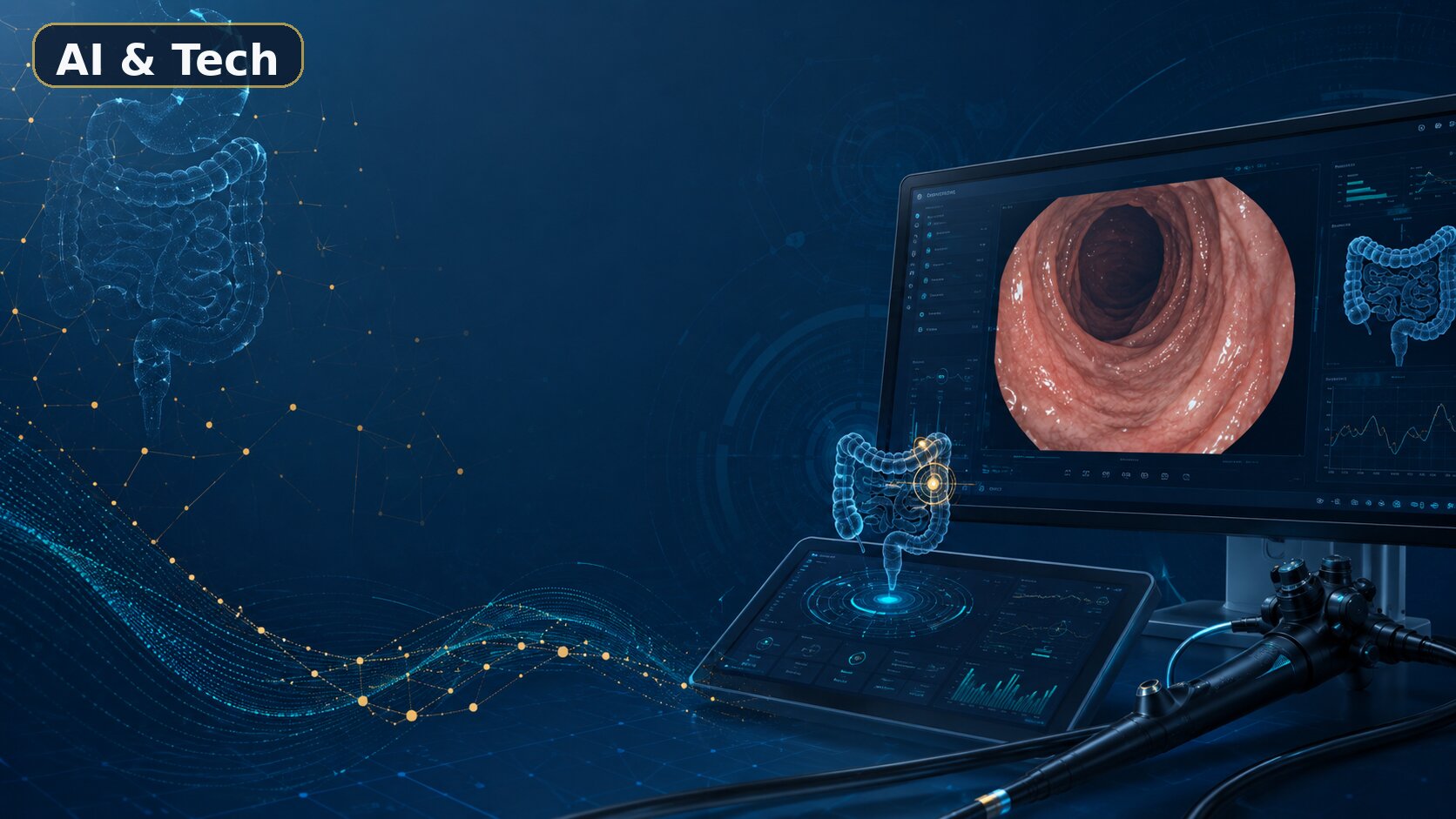
Photo by on Unsplash
Key Takeaways for GI Nurses
- Computer-aided detection (CADe) and computer-aided diagnosis (CADx) systems are increasingly integrated into colonoscopy procedures to help identify polyps in real time, and nurses assisting in the room should understand how these visual cues and alerts function during the exam.
- AI-driven documentation tools may streamline procedure reporting, reducing charting burden and allowing endoscopy nurses to focus more attention on direct patient monitoring and comfort.
- Workflow management software powered by AI can affect scheduling, room turnover, and case flow, meaning nurses in leadership or coordination roles should stay informed about how these systems influence daily unit operations.
- As AI becomes more embedded in practice, nurses will play a key role in patient education, explaining to patients what AI assistance means for their procedure and helping address questions or concerns about the technology.
Clinical Relevance
The integration of artificial intelligence into colonoscopy represents a significant shift in how endoscopy units function, and GI nurses are positioned at the center of this transformation. During procedures, CADe systems provide real-time visual prompts—often highlighting suspicious areas on the endoscopic display—to assist the endoscopist in identifying polyps that might otherwise be missed. Nurses assisting during these cases benefit from understanding the basic mechanics of these systems, including how alerts are displayed and how they may influence the pace or focus of the procedure. This knowledge allows nurses to anticipate physician needs, communicate effectively with the care team, and support a smooth procedural flow.
Beyond the procedure room, AI-assisted documentation tools have the potential to reduce the administrative burden traditionally placed on nursing staff. Automated capture of procedural details, polyp characteristics, and withdrawal times can free up nursing time for direct patient care, particularly important during recovery and discharge phases when patient safety monitoring is critical. As documentation becomes more automated, nurses may find their roles shifting toward oversight and verification of AI-generated records rather than manual data entry, which requires a new type of vigilance and familiarity with the technology's limitations.
From an operational standpoint, AI-based workflow management systems can influence scheduling efficiency, room utilization, and case prioritization within busy endoscopy units. Nurse managers and charge nurses should be aware of how these tools generate recommendations or predictions, as this understanding supports better collaboration with administrative teams during implementation. Additionally, as AI tools become more visible to patients, nurses are often the first point of contact for questions about how these technologies are used during their procedure. Being prepared to explain AI assistance in clear, reassuring terms supports informed consent discussions and helps maintain patient trust throughout the colonoscopy experience.
Bottom Line
As AI tools become more common in colonoscopy—supporting polyp detection, documentation, and unit workflow—GI nurses should proactively build familiarity with these systems to effectively support procedural teams, streamline patient care processes, and confidently address patient questions about the growing role of technology in their endoscopic care.
Original Source
Use of Artificial Intelligence Assistance to Improve Colonoscopy
Published in: Gastrointestinal Endoscopy Clinics of North America via CrossRef
View Original SourceGet GI Insights Weekly
Curated research, regulatory alerts, and clinical intelligence for GI and endoscopy nursing professionals. Every Monday.
Subscribe Free