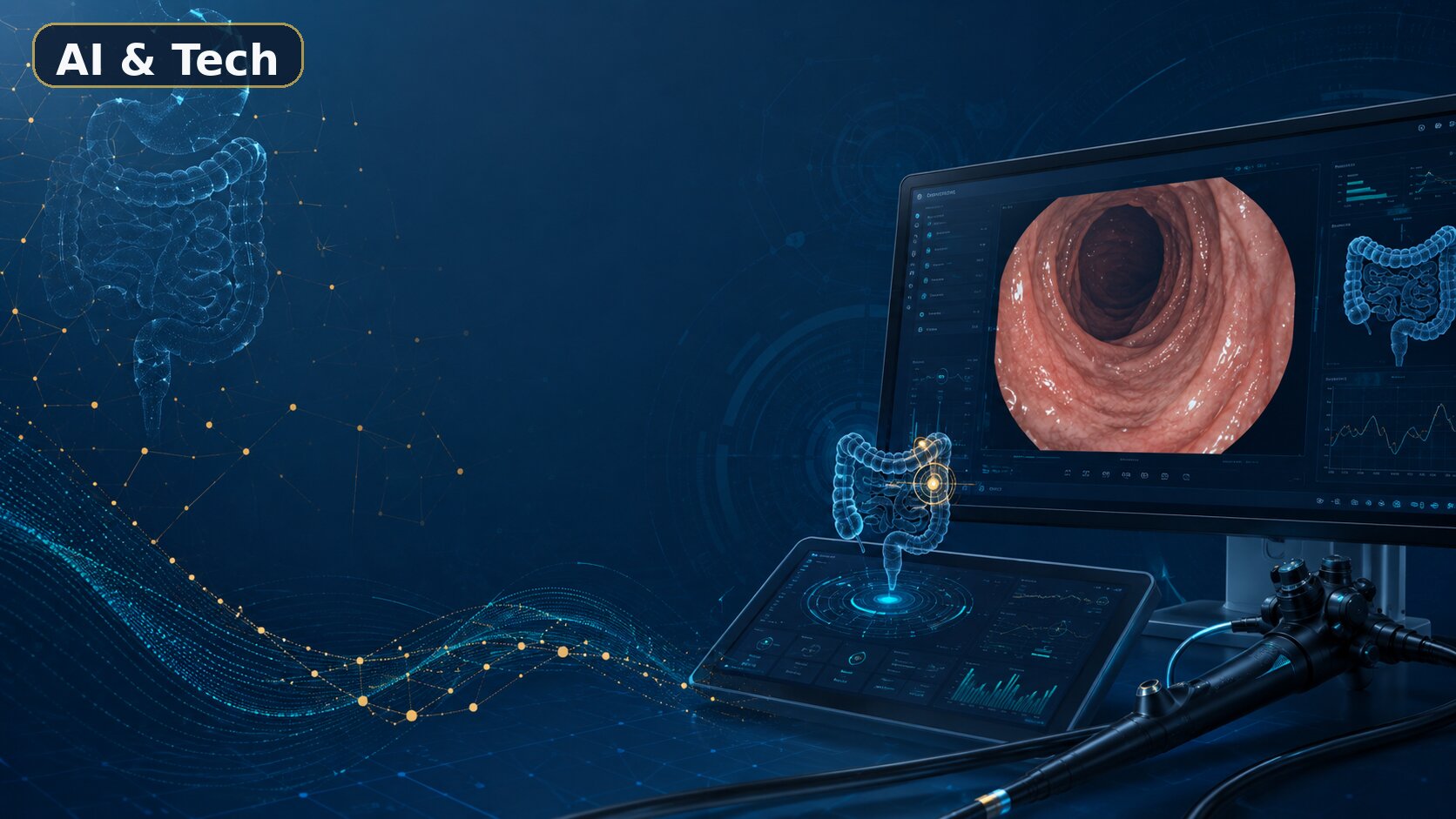
Photo by on Unsplash
Key Takeaways for GI Nurses
- Artificial intelligence has moved from experimental research to routine clinical use in many endoscopy units, particularly for real-time polyp detection during colonoscopy, meaning nurses are increasingly working alongside AI-assisted systems as standard practice rather than novel technology.
- AI tools are expanding beyond detection alone into documentation support and workflow management, which may directly affect how nurses chart procedures, manage scope turnover, and coordinate patient flow through the unit.
- Nurses play a critical role in patient communication about AI-assisted procedures, and understanding the basics of how these systems function will help staff answer patient questions and support informed consent discussions.
- As AI becomes embedded in daily practice, endoscopy nurses should anticipate changes to training requirements, competency assessments, and quality assurance processes tied to these technologies.
Clinical Relevance
The integration of AI-assisted polyp detection represents one of the most tangible shifts in endoscopic practice over the past decade, and it carries direct implications for the nursing role during procedures. Nurses assisting in the room need to understand how computer-aided detection (CADe) systems highlight suspicious lesions in real time, as this affects procedural pacing, communication with the endoscopist, and documentation of findings flagged by the system versus those identified visually. Familiarity with these tools also supports nurses in troubleshooting basic technical issues and recognizing when system alerts may require adjustment of positioning, insufflation, or scope withdrawal technique to optimize mucosal visualization.
Beyond detection, the expansion of AI into documentation and workflow management has practical consequences for unit operations. If AI-supported systems assist with procedure reporting or lesion characterization, nursing documentation practices may need to align with new data capture points, and quality assurance nurses may find themselves auditing AI-flagged versus human-identified findings as part of adenoma detection rate tracking. Workflow management tools that leverage AI for scheduling, room turnover, or triage of referrals could also reshape the charge nurse or unit coordinator role, requiring new competencies in interpreting dashboard outputs and integrating them into daily throughput decisions.
From a professional development standpoint, this decade-long evolution signals that AI literacy is becoming a core competency for endoscopy nursing staff, not a niche interest. Units should anticipate incorporating AI-specific content into orientation and ongoing education programs, ensuring nurses can confidently explain these tools to patients, support endoscopists in real time, and participate meaningfully in quality improvement initiatives that increasingly rely on AI-generated metrics.
Bottom Line
AI in endoscopy has transitioned from proof-of-concept research to an established clinical presence, and GI nurses should prioritize building working knowledge of how these detection, documentation, and workflow tools function within their unit, since this understanding will directly support patient safety, procedural efficiency, and quality metrics going forward.
Original Source
A decade of artificial intelligence in endoscopy: from proof of concept to clinical reality
Published in: The Lancet Gastroenterology & Hepatology via CrossRef
View Original SourceGet GI Insights Weekly
Curated research, regulatory alerts, and clinical intelligence for GI and endoscopy nursing professionals. Every Monday.
Subscribe Free