Photo by on Unsplash
Key Takeaways for GI Nurses
- Computer-aided detection (CADe) and computer-aided diagnosis (CADx) tools are moving from research pilots into routine colonoscopy practice, meaning nurses will increasingly work alongside real-time AI overlays during procedures.
- AI-assisted documentation and reporting tools are being integrated into endoscopy workflows, which may change how nursing staff capture, verify, and chart procedural findings.
- Workflow and scheduling applications powered by AI are being introduced at the unit level, affecting how nurses coordinate room turnover, staffing, and case prioritization.
- As AI becomes embedded in scope towers and reporting systems, endoscopy nurses will need baseline familiarity with how these tools function, their alerts, and their limitations to support safe, efficient procedures.
Clinical Relevance
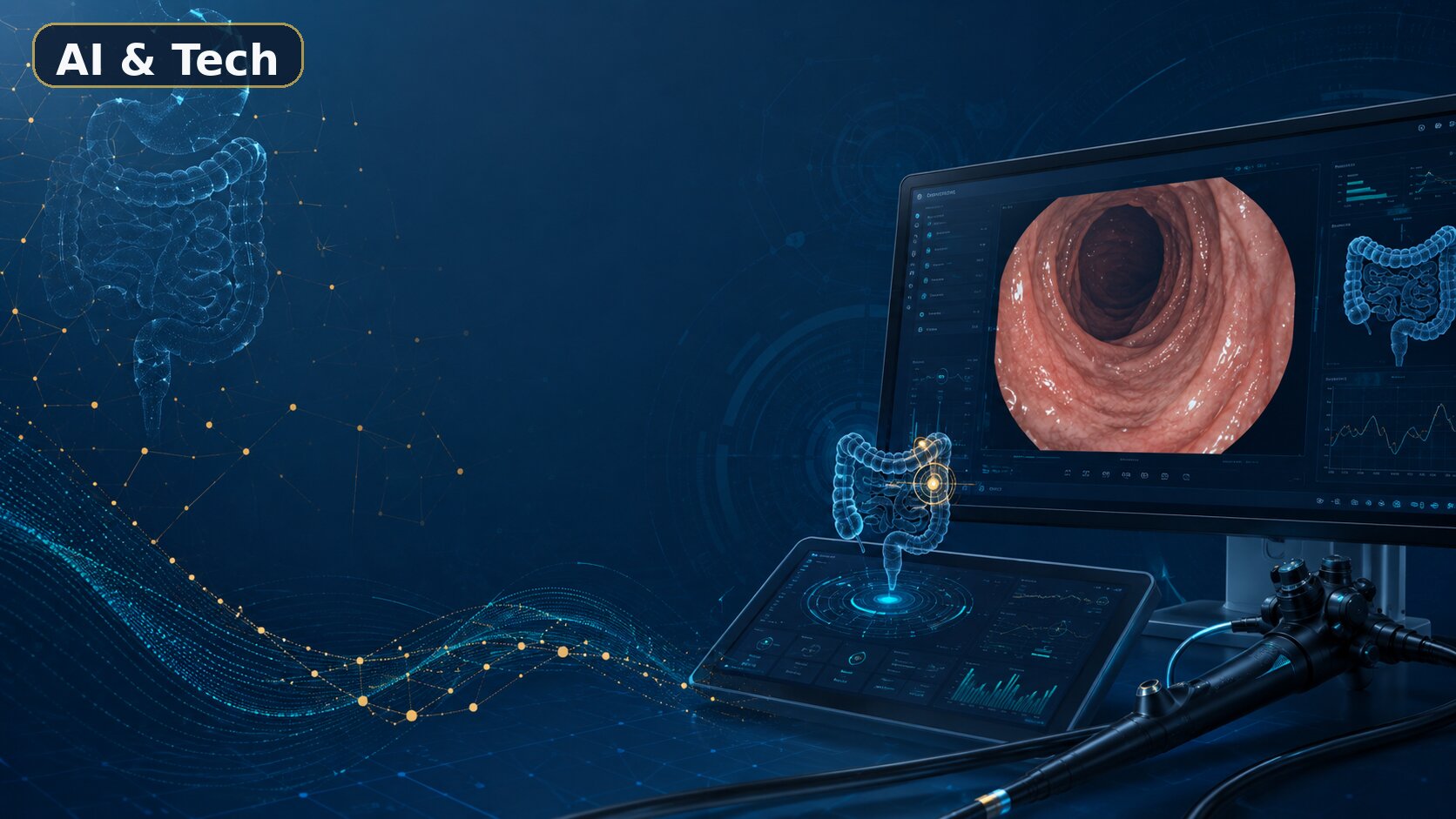
This decade-in-review perspective from The Lancet Gastroenterology & Hepatology highlights a meaningful shift in endoscopy: artificial intelligence has progressed from conceptual research to tools actively used in clinical units. For endoscopy nurses, this evolution is directly relevant because AI-assisted polyp detection systems operate in real time during colonoscopy, often prompting visual or audible cues on the monitor. Nurses assisting in the room need to understand what these alerts mean, how they may influence the endoscopist's pace or decision-making, and how to communicate effectively when discrepancies arise between AI flags and clinical judgment. Even where nurses are not making diagnostic calls, situational awareness of AI behavior supports smoother procedural flow and better teamwork with physicians.
Beyond detection during the procedure itself, the article notes changes in documentation and workflow management, both of which touch nursing responsibilities closely. Many endoscopy units rely on nursing staff to complete or verify procedure notes, quality metrics, and post-procedure documentation. If AI tools are beginning to auto-generate portions of reports or flag quality indicators such as withdrawal time or lesion detection rates, nurses will play a role in reviewing this output for accuracy and ensuring it integrates properly into the patient's medical record. This adds a new dimension to the nursing role as a quality-assurance checkpoint between automated systems and final documentation.
At the operational level, AI-driven workflow management tools have implications for unit efficiency, an area where nursing leadership and charge nurses are often central. Scheduling optimization, room utilization, and case-flow tools can affect staffing patterns and patient throughput. Nurses involved in unit management or process improvement should stay informed about these systems, as they may be asked to provide frontline feedback on usability, patient safety implications, and how well the technology fits real-world unit demands. Overall, this shift underscores that AI in endoscopy is not solely a physician-facing technology; it increasingly touches every part of the nursing workflow, from bedside assistance to charting to unit logistics.
Bottom Line
As AI tools for polyp detection, documentation, and workflow management move into everyday endoscopy practice, GI nurses should proactively build familiarity with these systems, understand their outputs and limitations, and stay engaged in how they affect procedural teamwork, charting accuracy, and unit efficiency, since nursing input will be essential to safely and effectively integrating this technology into daily care.
Original Source
A decade of artificial intelligence in endoscopy: from proof of concept to clinical reality
Published in: The Lancet Gastroenterology & Hepatology via CrossRef
View Original SourceGet GI Insights Weekly
Curated research, regulatory alerts, and clinical intelligence for GI and endoscopy nursing professionals. Every Monday.
Subscribe Free